Category Archives: Garden

33 Ways to Go Green Today

Earth Day 2010Happy Earth Day!  We’ve compiled a slew of easy ways to be more eco-conscious this year, along with our favorite tips and products to help you do it. Don’t be overwhelmed by the long list – a lot of the ideas are very doable with a little extra effort.  Bonus: many of these simple switches are budget-friendly too!

Also, don’t forget to check out more tips from our readers in the giveaway comments from Monday’s post and leave your own comment as an entry to win.  We’re thrilled to hear that a lot of you are pretty green already and we’ll be picking one lucky green winner tomorrow.

Ways to Be Eco-Friendly

33 Ways to Go Green Today
1. Switch to reusable bags and stash one in your purse or car. (our faves: Envirosax…find your style here)
2. Make your own baby food.
3. Use biodegradable pet poo bags.
4. Start a compost pile.
5. Join a CSA.
6. Support your local farmer’s market.
7. Switch to eco-friendly cleaning products or make your own!
8. Consider a hybrid car.
9. Walk or bike more .
10. Turn the lights off or switch to energy star bulbs.
11.Start switching to organic produce.  Start by spending just $10 a week on organic.
12. Plant a garden. Don’t have a yard? Try a windowsill herb garden!
13. Switch to chemical-free/organic bath & beauty products (our faves: Alba Sea Plus Renewal Cream, Burt’s Bees Deep Pore Scrub, Method hand soaps)
14. Recycle! Toss a bin in your kitchen or pantry to make it easier.
15. Use fans instead of air conditioning.
16. Know a hunter/fisherman? Live with one? Eat and share sustainably-caught fish or grass-fed, organic meat (bet you never thought about sportsman that way!).
17. Use cloth diapers.
18. Redo that room using low VOC paints.
19. Eat at least 1 meatless meal per week. (try this pizza)
20. Discontinue unnecessary mail such as bills that you pay online or spam.
21. Use rechargeable batteries.
22. Replace paper napkins with a stack of cheap cloth napkins & dishrags. Buy enough for your family for at least a week.
23. Buy in bulk to reduce packaging waste.
24. Turn off appliances like TVs & computers when you’re not using them.
25. Plan your meals so you don’t waste food!
26. Create a rain barrel in your yard for watering your garden.
27. Carpool or take public transportation.
28. Switch to energy star rated appliances. (bonus: you’ll get a tax credit!)
29. Donate gently used items to Goodwill, consignment shops or other charitable organizations.
30. Hang your laundry outside to dry.
31. Use a man-powered lawn mower.
32. Fill up your own water bottle instead of buying bottled water.
33. Skip the to-go coffee cup and buy a reusable travel mug. (bonus: most places will give you a discount for using one)

2 Comments

Filed under Cook, Fab Finds, Family, Garden

Homemade Baby Food

When my daughter started eating solids, I made her a promise.  I would not feed her any baby food that I would not also eat myself.  After opening and tasting 2 jars, I realized we had a problem.  The consistency and the flavor the jarred baby food was just all wrong to me.  So, I decided to make my her baby food myself.

Besides having better flavor, I quickly realized that making baby food also had other benefits.  It created much less waste than purchasing and throwing away all of those baby food jars, which made it an earth friendly option.  It also was significantly less expensive.  For example, one 2.5 oz jar of Gerber peas will cost about $.70 or $.28/oz.  I was able to purchase a small bag of frozen peas on sale for about $1.00 and from that bag made 20 ounces of baby food.  That’s only $.05/oz for home made pureed peas.  Making the peas instead of purchasing them was a $.23/oz savings!

I will admit, however, that as a new mom it wasn’t always easy to find time to make baby food.  One trick I found helpful was making it in bulk and freezing which made the task quite manageable.

How to make baby food
It is hard to give a specific recipe for making baby food because it is actually very simple.  The only trick is that every fruit and vegetable will have a different cook time.  Basically, you take fresh fruits and vegetables, steam or bake them, and then blend them into a puree.  Some will puree beautifully and others need a little bit of water to get them to a good consistency for baby.  I own a Beaba Cook, which steams and purees all in a few easy steps, however a sauce pan and a blender will give you the same result.

How to store baby food

After you have cooked and pureed your fruits and vegetables, you can take a regular old ice cube tray and pour the puree into the tray cubes.  Freeze for a couple hours and then remove the frozen baby food cubes and place them in resealable freezer storage bags.  Label them with the date and the type of puree.  I always used up the frozen baby food within a month to insure it stays fresh.  Each cube is roughly 1 oz of food.

When you are ready to use the food, just place some frozen cubes in a bowl and heat until room temperature of slightly warmed.  You can also let them thaw overnight in the refrigerator.

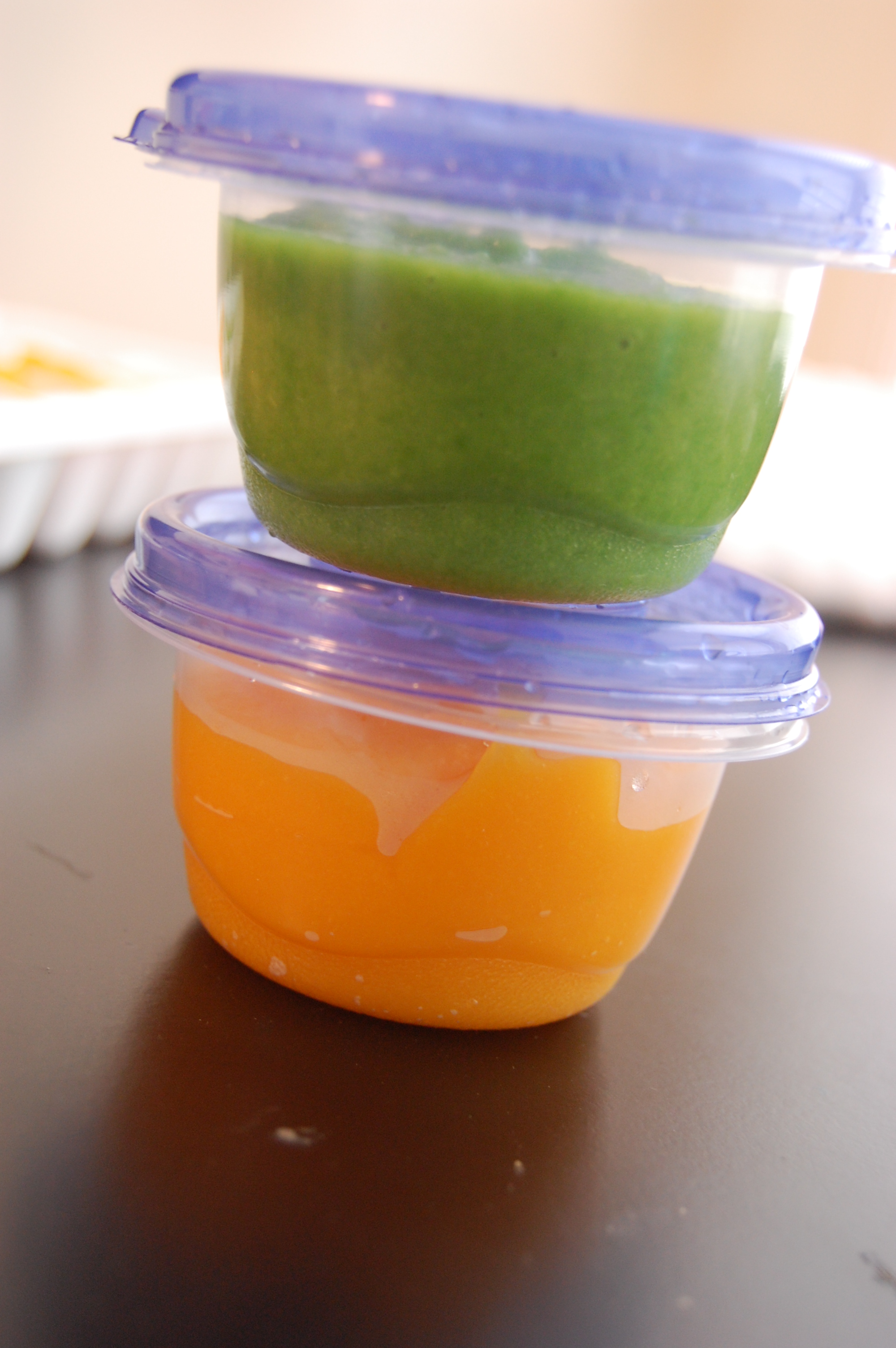
I also loved using 4 oz round gladware containers.  They were the perfect size and make taking food on the go very convenient.  And don’t worry all of you conscientious moms, gladware is now bpa free!

Get Creative

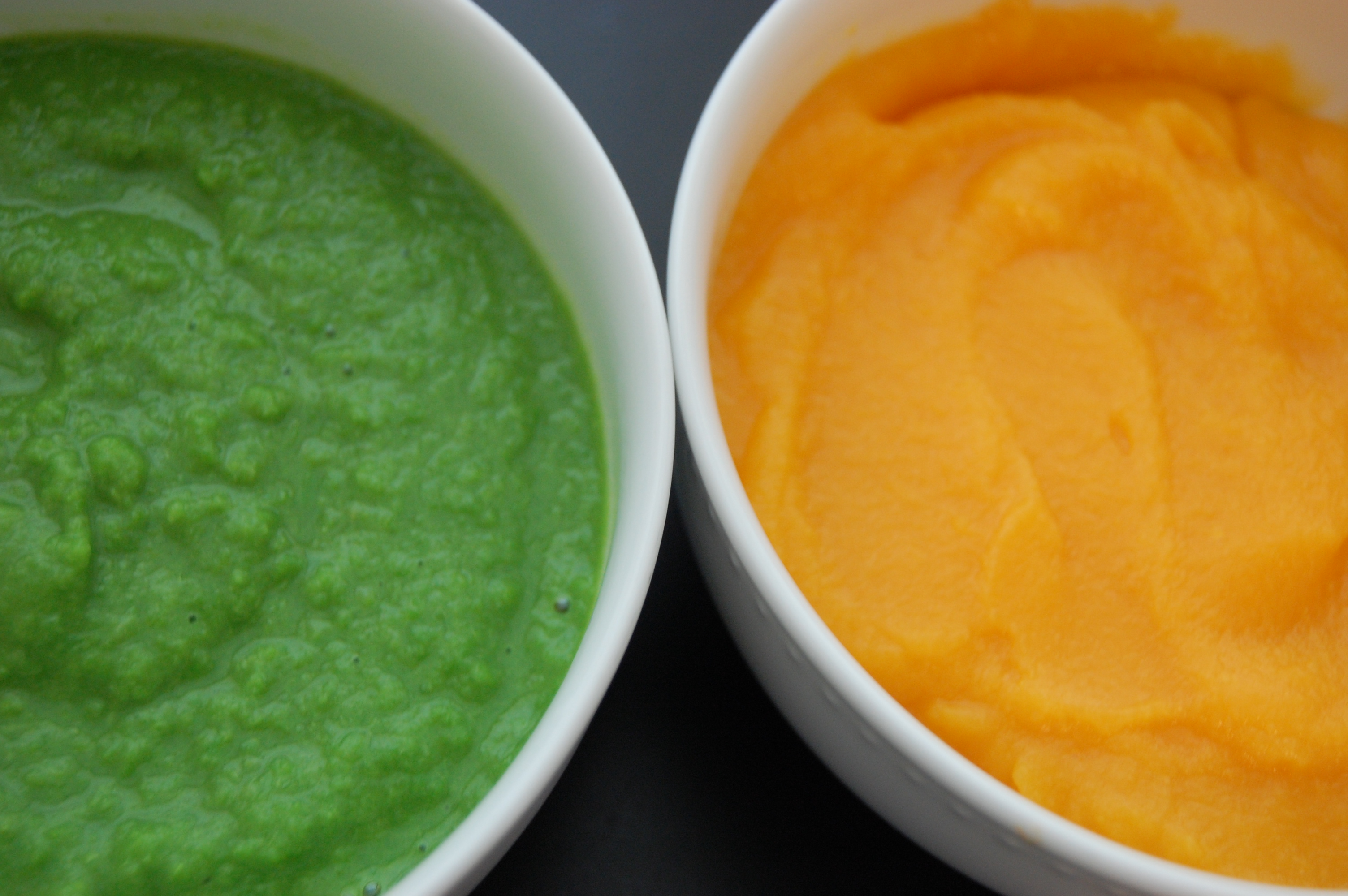
Who says baby food need to be boring?  Once you get the hang of making your own baby food, you can start to have a little fun with it.  Here were some of my daughter’s favorite flavors:

pureed peas with mint leaves
pureed baked apples with raisins
pureed sweet potatoes with a dash of cinnamon

Although it may take a little extra time, making your own baby food is a great choice if you are trying to be kinder to the earth. I creates significantly less waste, just think about all the glass jars you won’t be purchasing and throwing away.  And I bet your baby will enjoy the fresh flavors and vibrant colors!

2 Comments

Filed under Cook, Family, Garden

Compost 101

Yard trimmings and food residuals together constitute 23 percent of the U.S. waste stream, according to the EPA. Pretty gross.  However that can be reduced with a little thing called compost!

Compost is decomposed organic matter that creates a nutrient-rich, chemical-free fertilizer and helps prevent plant disease, all while reducing the amount of junk you’re putting into landfills. Plus it’s totally free.

Composting

Getting Started:
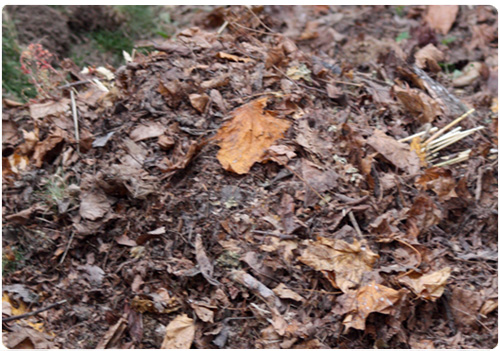
Compost needs a good balance of “green” matter (nitrogen) and “brown” matter (carbon), plus the standard oxygen & water. Luckily, none of this is hard to come by!

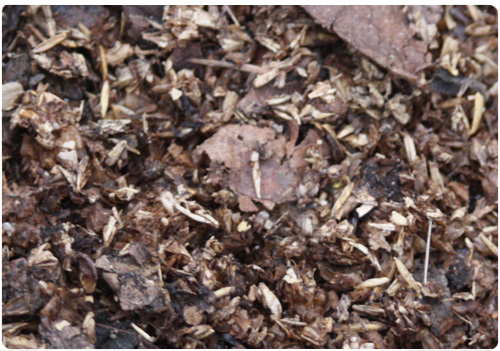
Pick a dry, shady spot or large compost container for your pile (mine is behind the garage…it’s not exactly pretty stuff).  Toss green matter and brown matter in the pile, watering if it starts getting too dry. Compile food waste from your house and yard waste and continue adding to the pile, trying to keep the brown:green ratio fairly equal. Use a pitchfork to turn and aerate the pile on a weekly or bi-weekly basis, rotating the dry materials into the middle. Once the matter is dark, clumpy and resembling dirt – usually the bottom of the pile first – it’s ready!

What You Can CompostNow that the, er, dirty work is done, you have two options for using it in your garden:
A: Scoop a trowel-full into the hole that you’ve dug for your plant and place plant on top or spread the compost around the base of your established plants. Mix well with surrounding dirt.
B: Create a “compost tea” by putting compost into a strainer bag or cheesecloth and letting it steep in hot water. Transfer to a spray bottle and spray at the base of plants or directly onto non-edible plants.

What You Can Compost:
grass clippings
dead leaves & flowers
eggshells
dryer lint
coffee grounds & filters
paper – especially shredded
paper towels and tissues
cardboard tubes, wood chips & sticks
spoiled fruits & vegetables
wine
stale bread
vacuum dust
spent grain (if you happen to homebrew)

What You Can’t:
animal-based food products like dairy, meat scraps, bones
pet poo
chemically treated yard waste
fatty or oil-based products
invasive or diseased plants

The Best Compost Accessories:
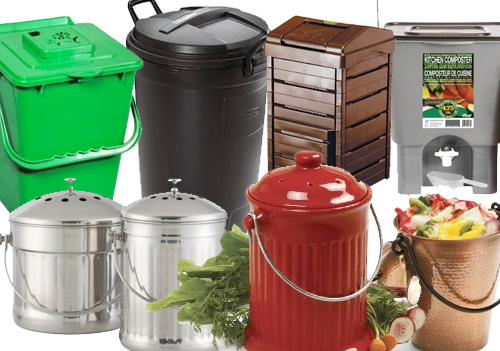
Because you’re not going to carry each piece of lettuce or every lint ball out to your pile, invest in a small kitchen container to stash your waste in. Kitchen compost bins have come a long way in both function (read: odor free!) and style so pick your favorite:
Kitchen Compost Bins

Clockwise from top left:
Exaco Trading Kitchen Collector, Wheeled Trash Can, Garden Compost Bin, Bokashi Indoor Composter, Copper Compost Pail, Norpro Red Ceramic Compost Keeper, Odor Free Compost Pail (my pail at home!)

Composting in an Apartment:
Since I have a yard, it’s easy to compost but it can be done in smaller spaces using an indoor bin, like those above. Do you compost in an urban setting? Tell us about it…I’m curious about what you’ve found works best and what you do with it afterward.

3 Comments

Filed under Garden

Community Supported Agriculture

Spring is in the air these days and it’s hard not to be excited for all of the fresh produce that is just around the corner.

This spring, I have decided to sign up for a CSA or “Community Supported Agriculture.”  A CSA is a way for consumers to buy fresh produce directly from a farmer and can be found in almost all communities.  Becoming a member will lead you to become a more conscientious consumer all while supporting your local community.

Here’s how it works.  As a consumer, you become a member of a local farm by purchasing a “share.”  You will pay a fee up front at the beginning of the growing season.  Then, every week you will go to a designated drop site and pick up a box of fresh produce from your farm.

The farmer will give you whatever is in season and looking the best that week.  For example, in late June you might receive a box of strawberries, broccoli and other early summer produce and come July or August you might have fresh ripe tomatoes and corn in your box.  The average size share is for a family of 4, although many farms are now offering half shares.

Becoming part of a CSA has advantages for both farmers and consumers.  Farmers receive your payments early in the spring which help them with their cash flow throughout the year.  They are also able to actually meet the people consuming their product which is very important to them.

As the consumer, you are then able to receive and enjoy fresh produce that was grown in your community.  You can also form a relationship with the farmer and sometimes even visit the farm to see how things are done.  My favorite part is getting to try new fruits and vegetables that I would normally not purchase at the grocery store.

If you live in the Milwaukee area and would like more information on finding Community Supported Agriculture, visit the Urban Ecology Center online.  Here you will find a 2010 CSA farm list.  Be sure to look for a drop spot that is convenient for you.

If you live in a different community, just search online or ask at your local grocery store if they know of any farms participating in a CSA.

I just signed up today with Full Harvest Farm and cannot wait to receive my first box in June!

Think Spring!

3 Comments

Filed under Cook, Garden

Art in Bloom

Over the weekend I went to the Milwaukee Art Museum for the lovely Art in Bloom opening. At the annual event, local florists are assigned a piece of art to serve as inspiration for creating an arrangement. Assignment pieces ranged from classic nudes to pop art to furniture, which showed that the florists themselves are truly artists too.

Check out some of my favorites below but first…

Decor Idea: Next time you buy flowers for a party consider using a piece of art (or furniture or photography) from your house as inspiration for your arrangement. Positioning the flowers near the piece creates a dramatic and cohesive statement that guests will be sure to notice.
Black Action Fritz Winter

Black Action, Fritz Winter – The winning arrangement had a gothic elegance that was mesmerizing in person. It totally deserved the win.

Betalo Nude, Robert Henri

Betalo Nude, Robert Henri:  The florist took a whimsical approach, deciding that this lovely lady needed a dressing robe.

Eero Saarinen Womb ChairEdge of England Cornelia Parker

Womb Chair, Eero Saarinen: A curvy and playful arrangement befitting of the iconic chair.
Edge of England, Cornelia Parker:  While I thought they could’ve done a lot more with the floral arrangement, this installation is one of my favorite pieces at MAM so I had to include it.

Cyclamen LithographMilwaukee Art Museum Haitian Art

Cyclamen III, Ellsworth Kelly:  Love the modern and simplistic approach
Les Trois Nonchon, Andre Pierre:  Funky, exotic florals feel right at home in the Haitian gallery

Beth Lipman Laid Table

Laid Table, Beth Lipman: If only my tablescapes were this ethereal!  A girl can dream…

Leave a comment

Filed under Fab Finds, Garden

Pretty Winter Blooms: Paperwhites, Amaryllis & More

I love love love fresh flowers.  If I was fabulously wealthy or lived in a temperate climate, I would have fresh flowers in my house at all times, but alas, neither of those are the case. During the summer it’s easy to clomp a few blooms from your yard or pick up a freshly picked bouquet at the farmers market, but what’s a girl to do during the winter?

The answer:  winter bulbs!  Paperwhites, amaryllis, hyacinths and freesia all make lovely substitutes for a vase of flowers.

paperwhites, amaryllis, hyacinth & freesia

Sandy over at The Reluctant Entertainer has a great step-by-step about how to get paperwhites started and the same concept would apply to other winter bulbs. Be sure to locate your bulbs in a well-lit, fairly warm area of your house and keep the soil mixture damp but not soaking wet, especially if your planter has minimal or no drainage. Because you get to watch them slowly grow and bloom, the visual candy lasts much longer than cut flowers.

Paperwhites in a china planterPaperwhites in a Spode cachepot

What I also love is how bulbs lend themselves to creative choices of planters.  This year for Christmas my in-laws gave me paperwhites planted in a beautiful Spode Blue Italian china cachepot. Bulbs in any pretty container make excellent birthday or hostess gifts…or just a pretty pick-me-up for yourself!

You could use:
any deep decorative bowl
a pretty ice bucket or wine cooler
a vintage urn
a galvanized bucket
a hurricane vase or apothecary jar
a kitchen utensil jar

Alternatives to flower vases

Non-HAP Photo Sources: Amaryllis, hyacinth and freesia

2 Comments

Filed under Decorate, Garden

Browned Butter and Sage Pumpkin Bread

I was so excited to see that pumpkin was our ingredient to use this week. I love cooking with pumpkin because it is so versatile. I have found that using canned pumpkin is just as tasty as steaming and pureeing fresh pumpkin, and it’s a real time saver.

Bread

Quick Breads are a staple in my house because they can be make quickly and eaten at any time of the day. I found this recipe from Martha Stewart and was instantly intrigued by the use of fresh sage in this pumpkin quick bread. The result is a delicious sweet bread that has a savory and nutty undertone.

Browned Butter and Sage Pumpkin Bread

6 ounces unsalted butter
1/4 cup fresh sage, chopped
1 and 2/3 cups all purpose flour
2 tsp baking powder
1/2 tsp ground cinnamon
1/4 tsp ground nutmeg
1/8 tsp ground cloves
1 tsp salt
1 cup solid packed pumpkin (from can)
1 cup brown sugar
2 large eggs

Heat oven to 350. Grease 8 mini loaf pans (2  1/2-by-4-inch each) or 1 large loaf pan (9×5) with butter and dust it with flour.

bread collageMelt butter on stove top on medium low heat. Add fresh chopped sage and cook till butter turns golden brown, about 5-8 minutes. Let cool slightly.  Feel free to strain the sage from the butter at this point if you prefer to have just a hint of the fresh sage or leave it in, like I did, to have bits of sage throughout the bread.

Combine flour, baking powder, salt, cinnamon, nutmeg and cloves and set aside.

In a separate bowl, whisk pumpkin, eggs, sugar and the browned butter with sage. Once smooth and well mixed, add flour mixture gradually until incorporated.

Divide evenly among mini loaf pans or pour into one large loaf pan. Smooth top and bake for about 30 minutes for mini loaf pans or 50 minutes for one large pan.

Let cool for 15 minutes and turn out onto a cooling rack. Garnish with  fresh sage leaves.

Enjoy!

anne

4 Comments

Filed under Cook, Garden, Treats

The Dirty Dozen {Buying Organic}

According to the USDA, organic food is food that is“produced without using most conventional pesticides; synthetic fertilizers; bioengineering; or ionizing radiation.” Essentially, organic foods are minimally processed foods that don’t contain much else other than the food itself.   Sounds like something I want to feed my family.

Ideally, I would love to purchase mostly organic food, especially produce. However when you look at the price difference between organic and non organic, it is clear that the average households simply cannot afford to buy 100% organic.

organic-choice-lg

Thankfully I have come across this list produced by Environmental Working Group called the Dirty Dozen. It is  a list of the top 12 foods that have the most pesticide contamination. Essentially, if you are going to buy some food organic, be sure to pick the produce on this list because it tends to have the highest pesticide content.

The fruits and vegetables on the Dirty Dozen list are:

Peaches                    Cherries
Apples                       Kale
Bell peppers            Lettuce
Celery                        Grapes
Nectarines               Carrots
Strawberries           Pears

The EWG also produces a list called the Clean 15, highlighting fruits and vegetables that have the least amount of pesticide exposure. So, if you are going to purchase the foods below, no need to spend the extra and get organic. The foods that made the Clean 15 are:

Onion                    Asparagus          Papaya
Avocado              Sweet Peas         Watermelon
Sweet corn          Kiwi                      Broccoli
Pineapple            Cabbage              Tomato
Mango                  Eggplant              Sweet Potato

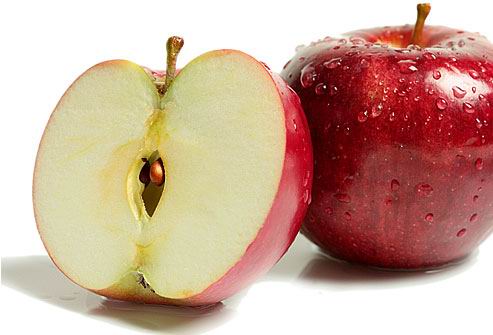
istock_photo_of_applesAlthough it will be hard to eliminate pesticides and other unwanted chemicals from our diets entirely, studies have shown that following the Dirty Dozen and Clean 15 produce lists can lower your pesticide exposure by 80%! That is a small change that can make a big difference…and won’t break the bank.

Read more about Organic food and how to reduce your risk at the Environmental Working Groups Shoppers Guide to Pesticides.

anne

6 Comments

Filed under Cook, Family, Garden

Summer-Meets-Fall Tomato Soup

To me, nothing says fall like the return of comfort foods like soup and chili.  Not only can you pretty much include whatever ingredients you like but they’re easy and can be made in big batches for yummy leftovers.

Since tomatoes are still in season and plentiful in both stores and gardens, homemade Tomato Soup is one of my favorite summer-meets-fall dishes. I wasn’t always a huge fan of tomato soup but I discovered that a freshly flavored (and healthy!) homemade version is impossible to resist.

basil

Summer-Meets-Fall Roasted Tomato Soup
2 lbs fresh tomatoes, mix of Roma, vine-ripe (whatever looks good)
1 small onion, roughly chopped
1 28oz can whole peeled tomatoes
1-2 cloves garlic, minced
1 quart chicken (or vegetable) broth
2 Tbsp balsamic vinegar
1 Tbsp sherry
1/2C half & half
4 Tbsp butter
2 bay leaves
fresh basil, roughly chopped
Kosher salt, black pepper
crushed red pepper flakes (optional)
grated parmesan cheese (optional)

Heat oven to 450. Roughly chop fresh tomatoes and onion. Mix together on a baking sheet with the garlic cloves. Drizzle with olive oil, salt and pepper and roast for 20-30 minutes until peeling and soft.
tomonion
Move the tomatoes, onions and garlic to a stockpot or Dutch oven, heat on med-high. Add canned tomatoes with juices, broth, butter, bay leaves, along with vinegar and sherry, to taste. Use a potato masher to smash up the chunks and simmer on med-low for 10-15 min.

Remove the bay leaves. Use an immersion blender to puree the soup in the pot. Or use a standard blender/food processor and work in batches to puree soup to a semi-smooth texture. Add half & half and basil, stir well. Season with salt, pepper and red pepper flakes to taste.

Return to your childhood by serving with grilled cheese! Let soup simmer while you make your sandwich and garnish soup with parmesan cheese to serve.

katie

tomsoup

10 Comments

Filed under Cook, Garden, Main Dish

Tomato and Fresh Mozzarella Panini

It is just about the end of tomato season and the last of my tomatoes have all decided to ripened at the same time. This has, of course, caused my family to go on a week long tomato eating binge because I can’t stand to see any of them go to waste.

One of my favorite end of summer meals to use up these mouth watering beauties is a tomato and fresh mozzarella panini. They are quick, easy and oh so good.

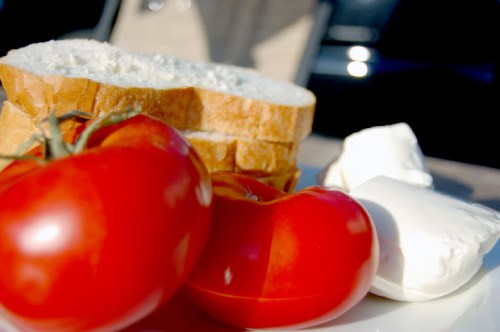
You only need 3 ingredients.

Fresh tomato moz- small

Ok, well 4 if you include butter or olive oil.

Tomato and Fresh Mozzarella Panini

Tomatoes

Fresh Mozzarella

Crusty French bread

Olive oil or butter

Just cut up some good French bread and slice up your tomato and fresh mozzarella. I usually seed my tomatoes by cutting them in half and giving them a good squeeze over the sink so they don’t make my bread soggy.

Then layer your tomato and mozzarella slices in-between the bread, butter or oil the side you will grill and grill them up in a grill pan or Panini press. If you don’t have either of these, then just grill them up “grill cheese style” in a frying pan.

Fresh tomato and motz sandwhich - small

They are the perfect end of summer sandwich.

anne

1 Comment

Filed under Cook, Garden, Quick & Easy